
Basket
There are no more items in your cart

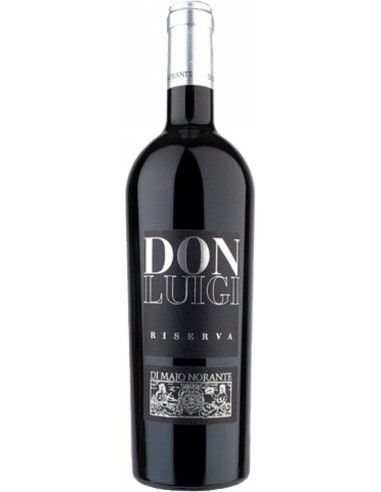
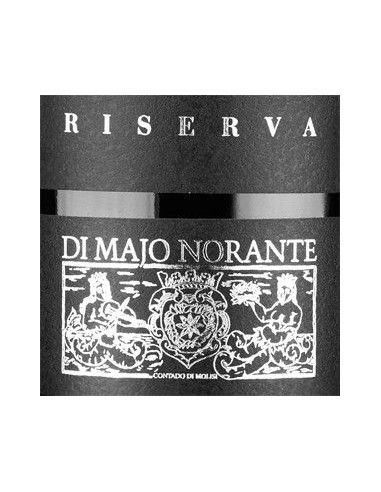

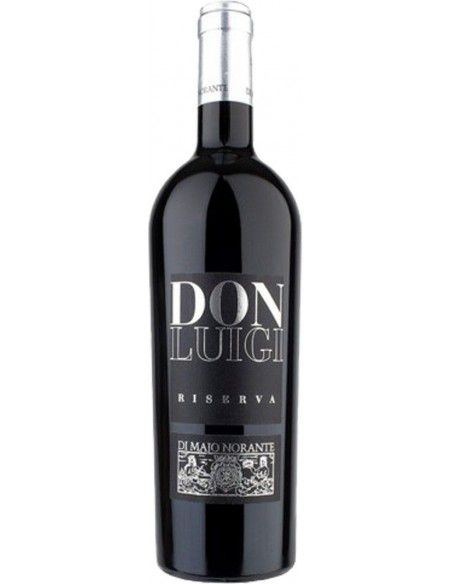



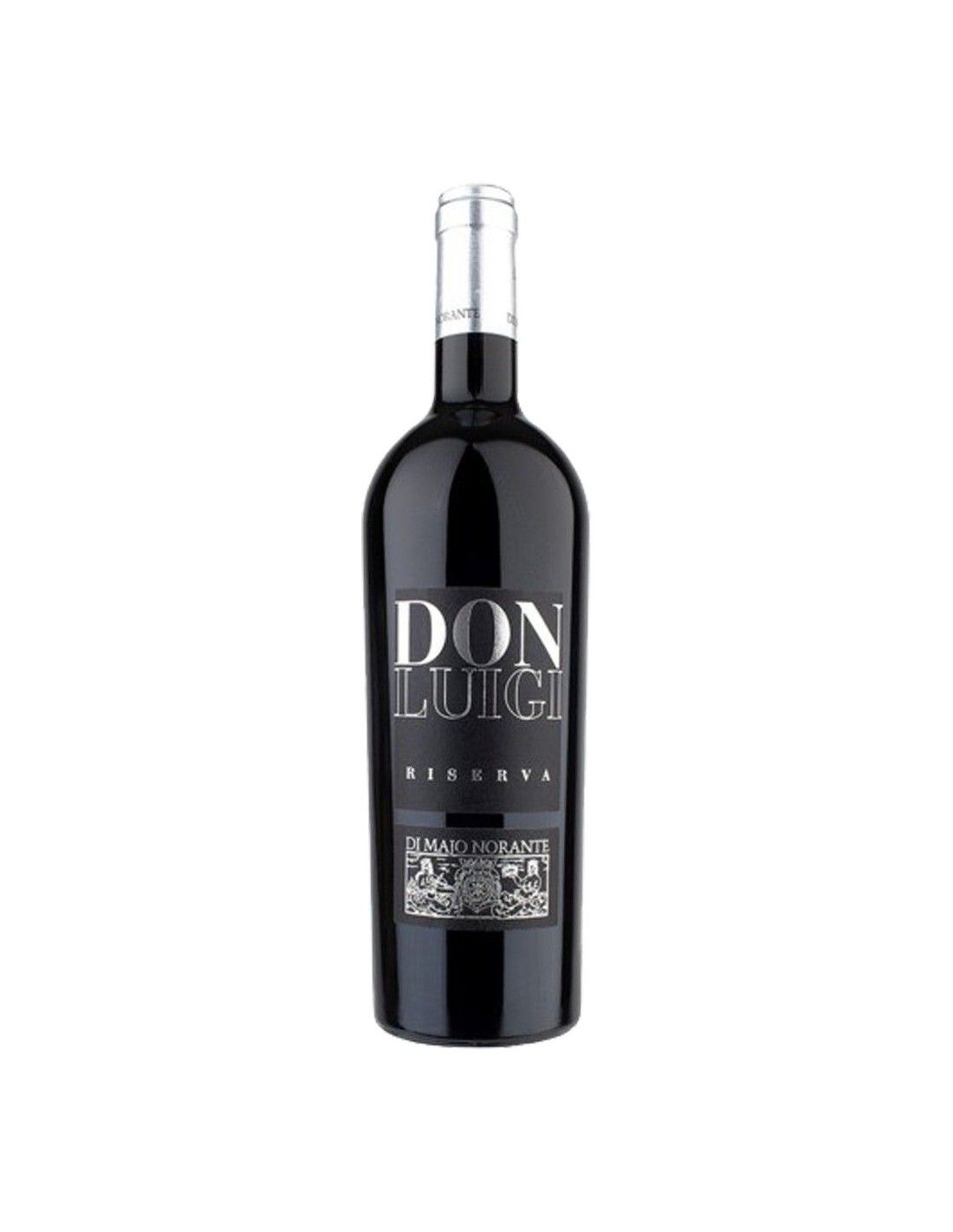
Molise Rosso Riserva DOC 'Don Luigi' 2017 (750 ml.) Di Majo Norante
Don Luigi Reserve by Di Majo Norante, a champion of the Molise, obtained from the selection of the best and most mature grapes of Montepulciano and Aglianico. A dark wine like ink and a rich, intense structure of great harmony and skillfully matured in small oak barrels gives the best of the game and seasoned cheeses. Award-winning
- Product Category
- Red Wine
- Denomination
- Molise DOC
- Grape variety / Raw material
- Montepulciano
- Variety / Assembly
- Montepulciano 90%, Aglianico 10%
- Aging Class
- Reserve
- Vintage or Cuvée
- 2017
- Format
- 750 ml.
- Nation
- Italy
- Region
- IT - Molise
- Alcohol Content
- 14% vol.
- Operating Temperature
- 16° – 18° C.
- Recommended Glass
- Wide goblet with a long stem.
- Gastronomic Pairings
- Aged Cheeses, Game, Red Meats
- Allergens
- Contains sulfites (sulfites refer to sulfur dioxide that is added to wine to preserve it, thanks to its disinfectant, antioxidant, and stabilizing action)
DMN-DON LUIGI -2017
4 Items
Di Majo Norante
In the picturesque setting of Molise, a region still little explored but rich in wine treasures, the winery Di Majo Norante stands as a symbol of excellence and authenticity. Immersed in a territory that smells of tradition and history, this winery has carved out a prominent place in the Italian wine scene thanks to an approach dedicated to quality and respect for the environment.
Di Majo Norante, with its organic production, embodies a perfect balance between tradition and innovation. The vineyards stretch across gentle hills, kissed by the sun and caressed by the sea breeze, creating an ideal microclimate for the growth of indigenous varieties such as Aglianico, Montepulciano, and Falanghina. Each grape of these varieties is the result of meticulous care and a passion passed down through generations, giving life to wines that tell the story and character of Molise.
Among the flagship labels, the Ramitello stands out, a wine that fully embodies the winemaking art of Di Majo Norante. With its complex and enveloping aromatic profile, the Ramitello captivates the palate with notes of ripe fruit, spices, and a persistent finish, offering a sensory experience that speaks of ancient lands and genuine flavors.
Let yourself be seduced by the magic of the wines Di Majo Norante, available on Vino45. An invitation to discover an authentic Molise, where wine becomes a journey between the past and the present, in a tale of passion and winemaking mastery.
Address:
Via Vino Ramitello, 6 - 86042 Campomarino Lido (CB), Italy
Color: intense and deep garnet red
Bouquet: rich, intense, with great harmony
Taste: perfect fusion of flavors of ripe fruit that evoke the underbrush, plum, hints of toasted wood and vanilla.

There are no reviews
Reviews
No reviews
Tap to zoom

THE COMPANY
Di Majo Norante has been making wine from grapes ever since 1800, as is evidenced by the old cellars underneath the square and in the old family building at Campomarino. Commitment to grape growing was inherited first of all by Luigi and then by Alessio Di Majo and continues today alongside research and experimentation. Di Majo Norante produces its own wines from grapes grown in the 85 hectare vineyard of the ancient fief of the Marquises Norante di Santa Cristina. The modern cellar will soon be flanked by a barrel store which was originally a 17th-cent. stone granary. The reason for this is that the Di Majo Norante wine-making philosophy is consistent with a traditional approach to grape growing and wine production, centred on preserving all the characteristics of Mediterranean wine-making.
THE MOLISE COUNTRYSIDE
In the Molise region, wine has traditions dating back to the Sannites and Romans, the first to introduce grape growing. Production methods are those passed down through the generations in the southern Apennines, constantly tied to the farming world. The Masseria Di Majo Norante is located north of the Gargano promontory in the district of Ramitello, in the countryside of Campomarino, where the loose, partially sandy soil and summer breezes combine to create a particularly favourable environment. Alessio Di Majo, a determined and somewhat innovative wine-maker, sacrificed productivity and uniformity of flavour in a constant quest for quality and distinctive characteristics, in the firm conviction that southern vines are the best suited to the pedoclimatic conditions of the Molise countryside.
METHODS THAT RESPECT NATURE
Di Majo Norante gives painstaking attention to grape selection and harvesting and to vinification methods in order to constantly upgrade the quality and the wholesomeness of its wines. Vines are treated only with fertilisers of organic and mineral origin and are defended by the regular removal of weeds and organic parasite control methods such as moths, while the pruning residues are removed to prevent any chance of infection. Old-fashioned methods and modern technologies make it possible to produce wines that are in many ways organic and which deserve being enjoyed to the full in the profound expression of their characteristic features.